

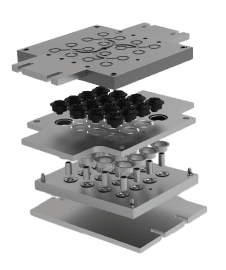
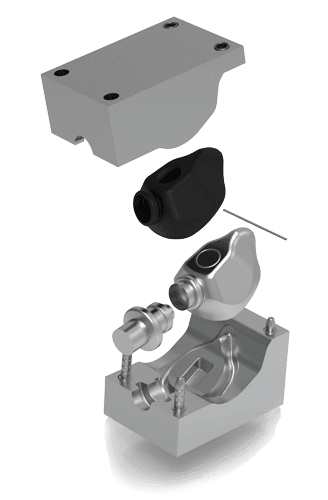



Hydraulic press
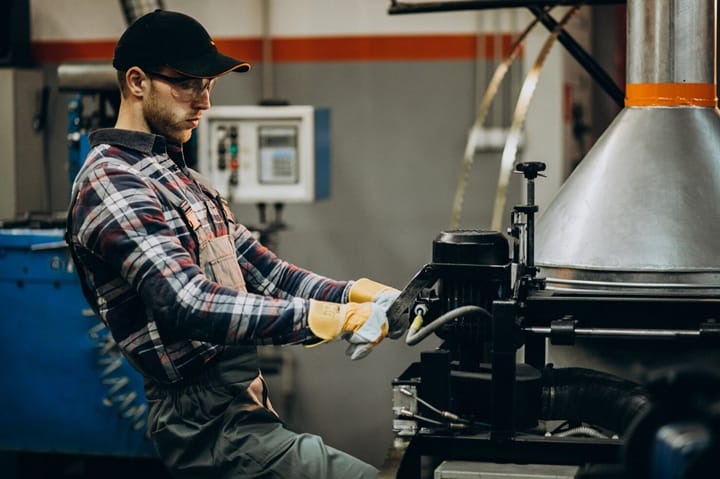
Rubber press
آبان 22, 1404
also available in:

Contents
Hydraulic Press: Everything You Need to Know
The hydraulic press is one of the most vital devices in the molding and production industries of rubber, plastic and metal parts. This device uses hydraulic pressure to shape, cut and compress various materials. If you are also looking to learn more about the hydraulic press and its applications in the industry, Afra Industry has prepared a comprehensive guide for you in this article.
What is a hydraulic press?
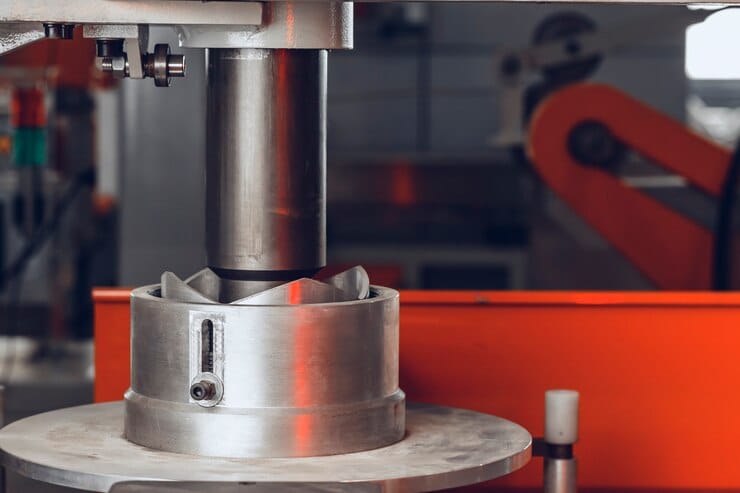
A hydraulic press is a machine that uses a hydraulic system and pressurized oil to produce significant force to shape or cut materials. Unlike mechanical presses, a hydraulic press applies its pressure slowly and with precise control, which increases the accuracy and quality of the final product. This feature makes this press particularly useful in sensitive industries such as rubber molding and metalworking.
Advantages of hydraulic press
- High power with precise control: The ability to apply very high pressures with millimeter precision, without damaging the material or molds.
- Flexibility in production: Suitable for a variety of molds and different materials such as rubber, soft metals, plastics and composite materials.
- Increased mold life: Uniform and controlled pressure causes molds to wear out less and require less replacement.
- Greater safety: Hydraulic systems allow for instant stopping and pressure control, reducing the risks of sudden pressure surges.
- Energy saving: Unlike mechanical presses, the energy consumed by this press is used more directly and usefully in the production process.
Hydraulic press applications
در ادامه، تمام متن فارسی **به انگلیسی ترجمه شد** و **تمام تگهای HTML و کدهای `
—
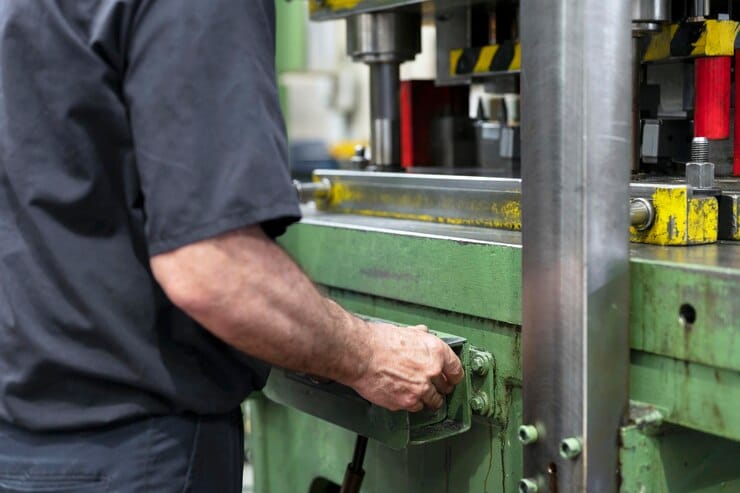
This press is used in various industries, including:
- Rubber and Plastic Industry: Production of O-rings, gaskets, tubes, and industrial rubber parts.
- Automotive Industry: Forming sheets and molding automotive parts with high precision.
- Metal Industries: Cutting and pressing metal sheets and manufacturing complex-shaped industrial components.
- Military, Oil, and Gas Industries: Manufacturing high-resistance parts that must withstand high pressure and temperature.
- Medical Equipment and Electronics Industries: Production of precise components requiring controlled pressure.
Types of Hydraulic Presses
- Single-Column Hydraulic Press: Suitable for light operations and small parts; simple, cost-effective, and space-efficient.
- Double-Column Hydraulic Press: Used for industrial production and large, complex molds, offering more uniform pressure distribution.
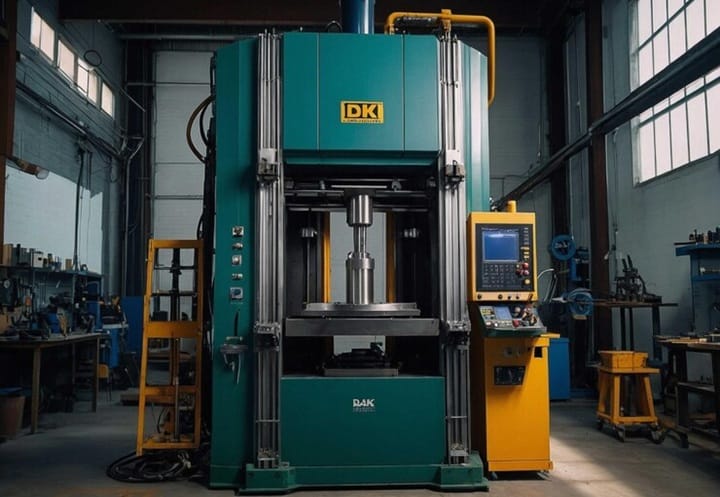
- Four-Column or Multi-Column Hydraulic Press: Ideal for specialized projects and large components that require uniform pressure across all points; provides high precision.
Key Points When Purchasing a Press Machine
Choosing the right hydraulic press can significantly impact production quality and operational costs. Some key considerations include:
- Pressure Capacity: The machine must be selected based on material type and part size.
- Machine Precision: Higher precision improves product quality and reduces waste.
- Table and Mold Dimensions: Should match the size of the parts and production needs.
- Safety System: Safety valves, pressure sensors, and emergency stop systems are essential.
- Ease of Maintenance: The hydraulic system should allow simple repair and maintenance to minimize downtime.
Press Machine Maintenance
Regular maintenance significantly extends the machine’s lifespan and improves the quality of produced parts. Important maintenance points include:
- Checking and Replacing Hydraulic Oil: Hydraulic oil determines system quality and pressure and must be inspected and replaced according to the manufacturer’s instructions.
- Monitoring System Pressure and Preventing Oil Leakage: Any leakage or pressure drop can damage the machine and reduce product quality.
- Cleaning Filters and Hydraulic Lines: Dirty filters reduce performance and can damage the hydraulic pump.
- Inspecting Molds and Preventing Premature Wear: Worn molds cause low product quality and may damage the press.
- Operator Training: Ensure operators are familiar with the machine’s operation and safety procedures.
Practical Tips for Better Use of a Hydraulic Press
- Always check hydraulic pressure and safety systems before starting work.
- Install and lubricate the molds properly to avoid damage.
- For sensitive and precision parts, use slow and controlled machine movements.
- Plan production so the press does not operate under continuous excessive pressure, preventing system overheating.
The Importance of Press Machines in Mold Making
In industries such as mold making, especially rubber and metal molds, precision and uniform pressure are crucial. Hydraulic presses, with their precise pressure control, ensure high-quality production and reduced waste. For this reason, many mold and industrial part manufacturers consider the hydraulic press an essential tool in their workflow.
Conclusion
A hydraulic press is a powerful, flexible, and vital tool in mold making and industrial part production. By selecting the right machine, following maintenance guidelines, and using modern technologies, product quality and mold lifespan can be significantly improved.
Given its wide range of advantages and applications, the hydraulic press is one of the most important investments for various industries. To choose the right press, understanding production needs, mold type, materials, and consulting mold-making experts are key to success.
Frequently Asked Questions About Hydraulic Presses
A hydraulic press is a machine that uses hydraulic pressure to press, bend, or shape various parts. By using hydraulic oil, it applies a very large force to a specific point, making it suitable for forming metals and industrial components.
Compared to mechanical presses, hydraulic presses offer higher precision, greater power, lower energy consumption, and improved safety. They also allow easy handling of large and heavy parts.
Common types of hydraulic presses include:
* Bench hydraulic press
* Gantry hydraulic press
* Column hydraulic press
* Manual and electric hydraulic press
Each type is used depending on industrial needs and pressure capacity.
Press capacity depends on the type of workpiece, its material, and the force required for forming. Workshops and industries typically choose presses ranging from 10 to 100 tons based on their requirements.
To maintain performance and extend machine lifespan, hydraulic oil must be replaced on time, system pressure monitored, and mechanical parts such as cylinders and pistons inspected and lubricated regularly.
A small bench hydraulic press can be suitable for home workshops or training projects, but large industrial presses are only recommended for professional and industrial environments.