



also available in:

What is a Rubber Mold?
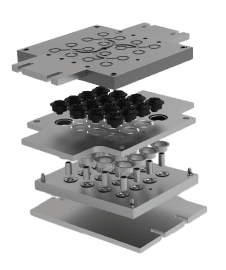
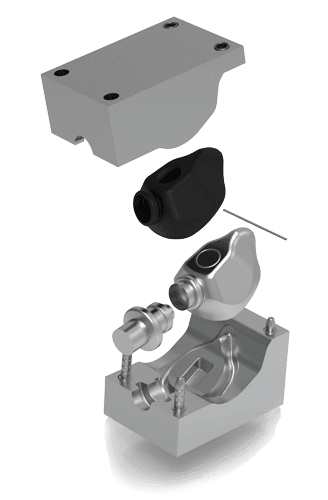
Rubber Mold is a tool used to produce rubber parts through various molding methods such as injection, compression, and transfer molding. These molds, designed with precision and made from high-quality raw materials, enable the production of rubber parts with desirable mechanical properties, including resistance to wear, pressure, and temperature. The choice of mold type depends on factors such as the type of rubber, part dimensions, and its final application. Additionally, depending on the industry and working conditions, the type of rubber used for production should be selected to ensure maximum compatibility with the environmental conditions.
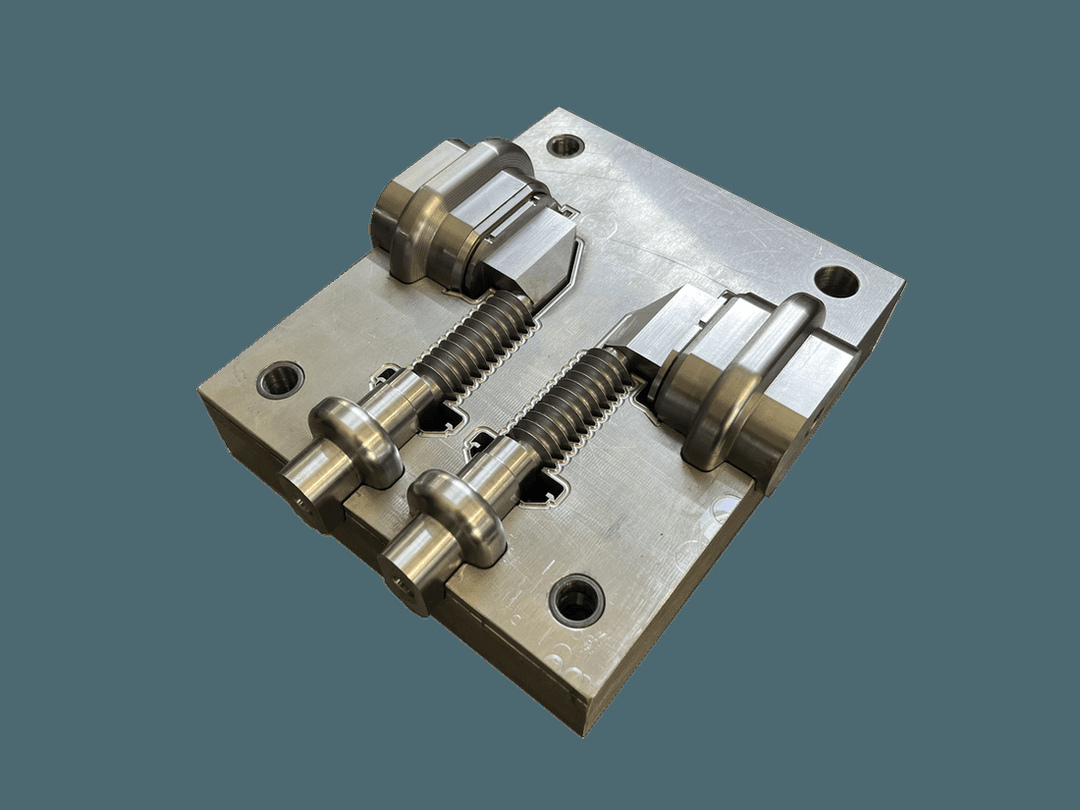
Rubber Mold | Design and Manufacturing of High-Quality Industrial Rubber Molds
Introduction to Rubber Molds
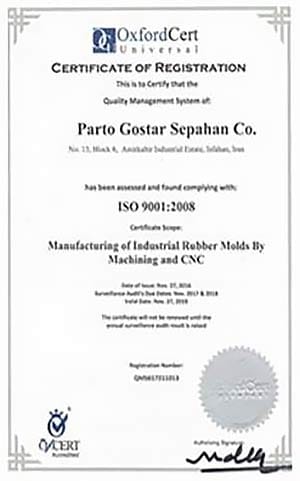
Rubber Mold is one of the most important industrial tools for producing rubber parts, used in various industries such as automotive, medical equipment, oil and gas, and household appliances. These molds are employed for precise shaping of rubber and play a key role in manufacturing parts with high accuracy, durability, and excellent resistance to environmental conditions. Parto Gostar Sepahan Company, with over two decades of experience in designing and manufacturing various rubber molds, provides high-quality products that comply with international standards. By leveraging the latest global technologies, we are able to produce superior-quality rubber molds in large volumes, meeting the diverse needs of different industries.
Importance of Mold Quality
The quality of a rubber mold directly affects the performance and lifespan of the produced parts. Molds designed and manufactured with high precision reduce production waste, increase efficiency, and improve the final product quality. At Parto Gostar Sepahan, all stages of rubber mold design and manufacturing are carried out using the latest technologies and under the careful supervision of our quality control team. In addition to quality control during the design phase, all produced molds are tested and inspected after manufacturing to ensure optimal performance. This approach reduces additional costs and enhances the longevity of the final products.
Types of Rubber Molds
Rubber molds are categorized based on the production process and their various applications:
Rubber Injection Mold (Injection Molding)
These molds are used for producing high-precision parts in large volumes. In this method, molten rubber is injected into the mold under high pressure and then cooled to take its final shape. This method is ideal for producing complex and precise parts with tight dimensional tolerances. Due to its high production speed, it is also an excellent option for mass production.
Rubber Compression Mold (Compression Molding)
In this method, raw rubber is placed into the mold and then shaped under heat and pressure. This type of mold is used for producing large and complex parts that require high strength. One advantage of this method is the ability to use rubber materials with special properties that cannot be processed by other methods.
Rubber Transfer Mold (Transfer Molding)
A combination of injection and compression methods, in which the rubber is partially melted and transferred into the mold cavity, then shaped under pressure. This method provides high precision in producing complex parts and allows manufacturing components with thin walls.
Features of High-Quality Molds
- Precise and engineered design to extend mold lifespan
- Use of durable, hardened steels with wear-resistant coating
- High resistance to corrosion, pressure, and high temperatures
- High dimensional accuracy with no excessive tolerances
- Capability for mass production without quality loss and at high speed
- Long lifespan, reducing maintenance and repair costs
- Optimal performance for natural and synthetic rubbers
- Multiple tests and inspections to ensure mold quality
Design and Manufacturing Stages at Parto Gostar Sepahan
Customer Needs Assessment
First, customer requirements, including part type, dimensions, working conditions, and production volume, are reviewed to optimize mold design. This stage is critical as material selection and mold design are customized based on actual customer needs.
3D Design and Simulation
The engineering team uses CAD software to create a 3D mold model and simulate the production process to ensure accuracy and efficiency. This simulation helps reduce potential errors in later stages.
Prototype Mold Manufacturing
After design approval, the prototype mold is manufactured using CNC machines and modern equipment. High-quality raw materials, such as heat- and pressure-resistant steels, are used at this stage.
Testing and Quality Control
Produced prototype samples undergo precise testing, including pressure tests, dimensional accuracy checks, and mechanical performance assessments, to ensure correct mold operation. All key mold parameters are verified using modern equipment.
Mold Optimization
If necessary, adjustments are made to the mold to achieve optimal performance. This stage helps reduce production waste and increase efficiency.
Mass Production
After final approval, the mold is prepared for mass production, with all stages supervised by the quality control team to ensure consistent quality across all products.
Applications of Rubber Molds in Various Industries
- Automotive Industry (washers, shock absorbers, bumpers, suspension components, thermal and sound insulation parts)
- Oil, Gas, and Petrochemical Industry (seals, gaskets, hoses, thermal insulation)
- Medical Industry (silicone parts, surgical equipment, hygienic packings, hypoallergenic components)
- Hydraulic and Pneumatic Equipment (O-rings, packings, dust boots, oil seals)
- Household Appliances (refrigerator door gaskets, rubber connectors, bumpers, waterproof seals)
- Electronics Industry (thermal and electrical insulators, protective caps, anti-vibration components)
Contact Us
For more information and to place an order for rubber molds, please visit the Contact Us page or call the phone numbers listed on the website.